Ethics1 min read
A value isn’t a value until it hurts
Every company says it puts users first. The tell is what they do when it costs them something.

Listen to me read it · 1 min
A value you only honor when it’s free isn’t a value. It’s marketing. Real values show up exactly when they’re expensive, when holding the line means a slower launch, a harder conversation, or a number that dips before it climbs.
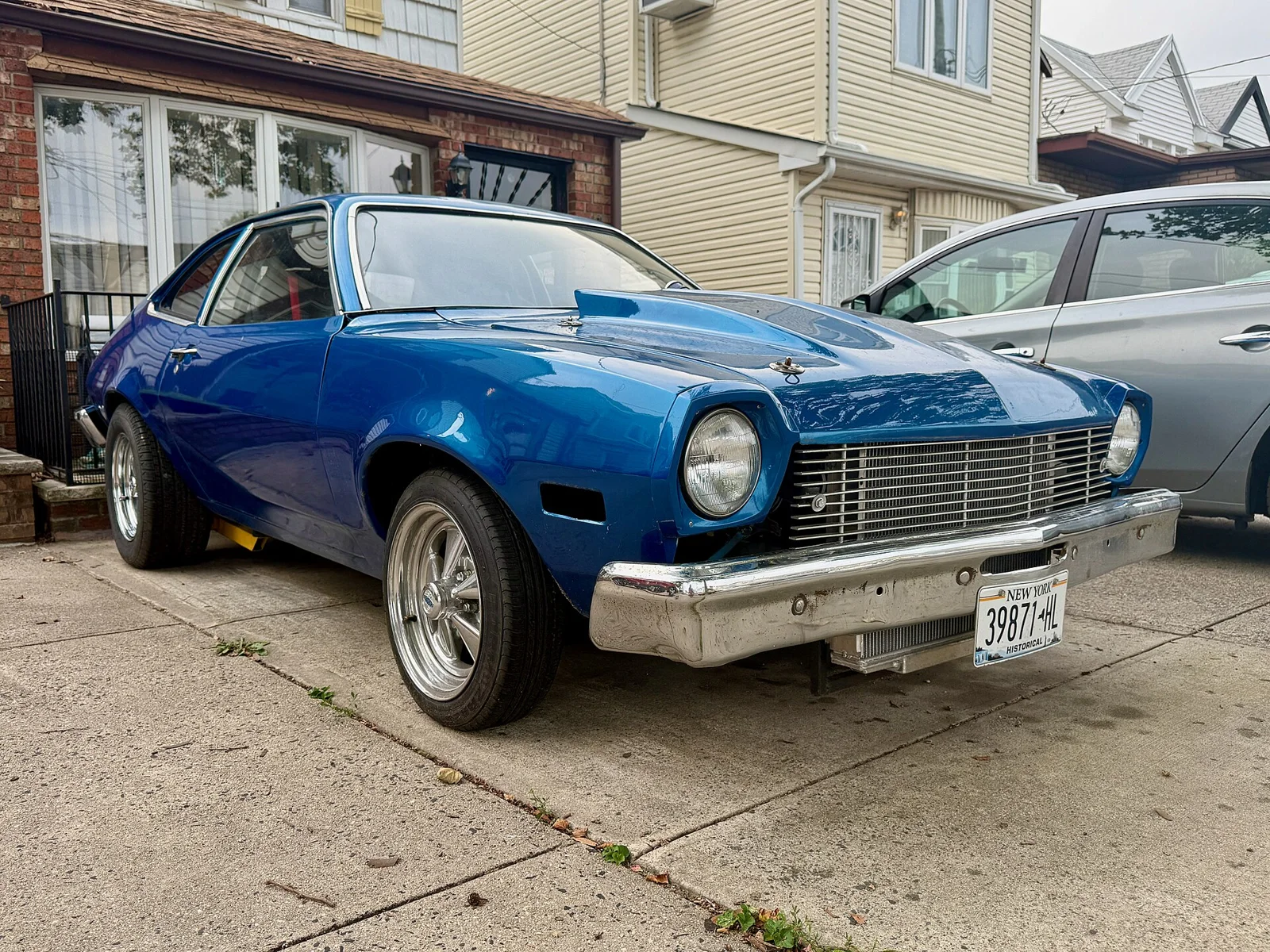
I wrote a whole book about the version of this that ends badly. The Ford Pinto team saw the safe, cheap answer and shipped it. People died. The better solution was there the whole time, one hard line away. What they lacked wasn’t talent or information. It was the will to hold a line long enough to find the answer that didn’t hurt anyone.
The hopeful version is just as real, and I’ve watched it play out. The hard constraint is what forces the better idea. When “we will not harm the user” is non-negotiable, the easy answer gets disqualified and the team is pushed into a solution space they’d never have reached by optimizing for the quarter.
This is the whole argument, and it’s about to matter more than ever. AI needs context to be useful, and context requires trust. The teams racing to bolt AI onto everything are optimizing for speed. The ones who will actually win are the ones treating trust as the product: honest defaults, real control, and showing their work.
So here’s the test I’d hold any team to. Name the value. Then name the last time it cost you something. If you can’t, it isn’t a value yet.